Exxxtóriaxxx, History, Facts, Cases and “Stories”
TRIBUTE TO CA. PARREIRA
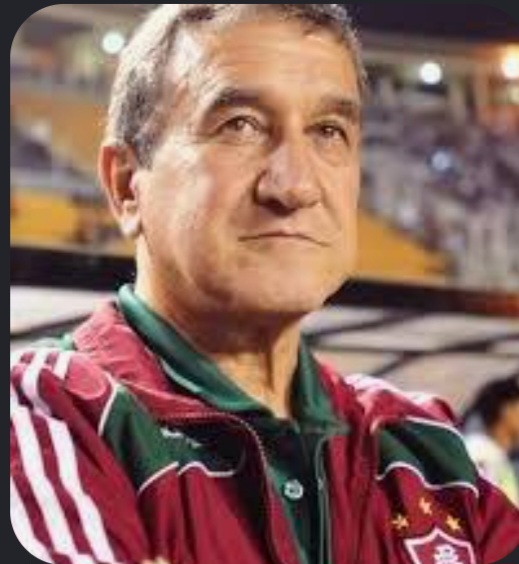
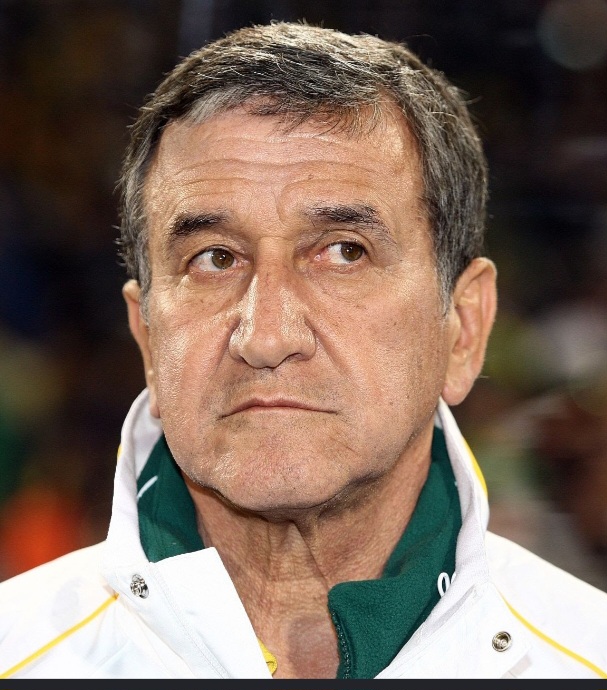
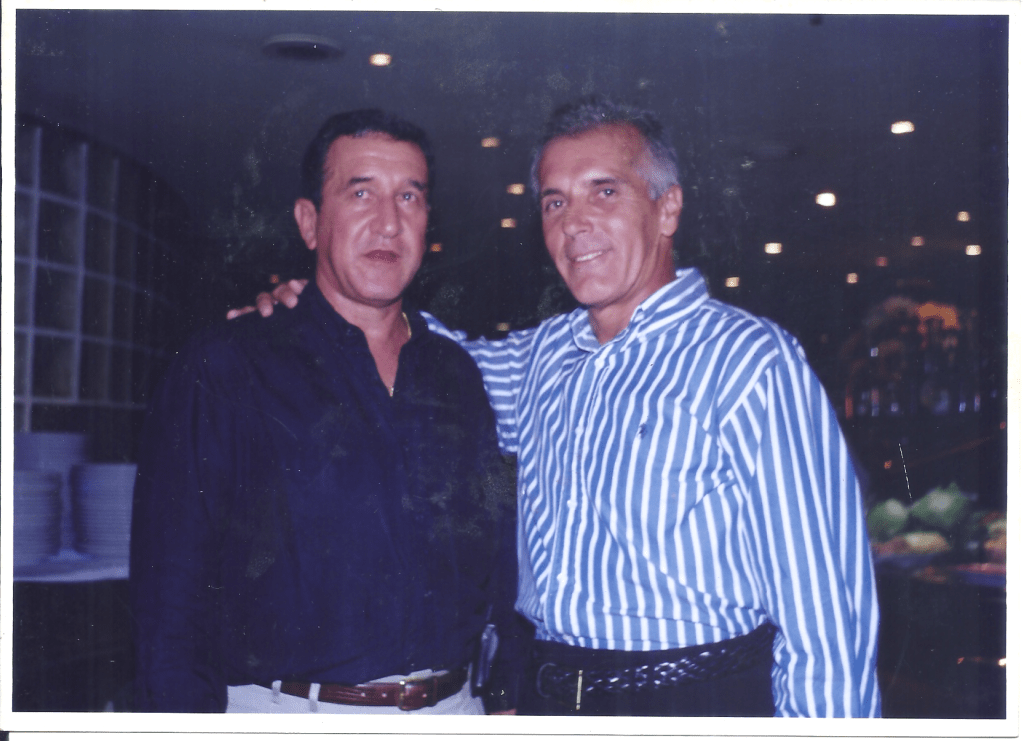
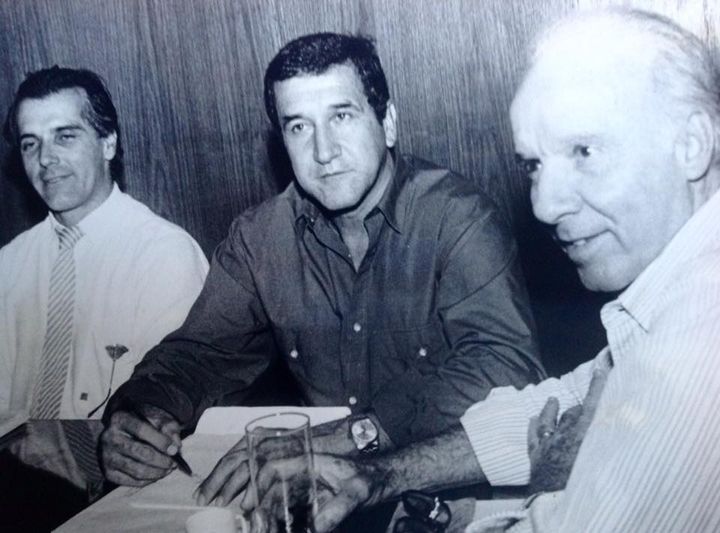
18 – Verídica – A World Champion and Simplicity – Friendship of Carlos Alberto Parreira and Julinho
Mestre Parreira, in addition to being World Champion as a Coach in 1994 and Physical Trainer in 1970, is the one who participated the most in World Cups, having 8 (eight0) performances, one more than the Yugoslav Bora Milutinovic.
Above all, he is a spectacular Human Being, even with all that he has achieved, one of the Kings of Simplicity and Humility.
Baduzinho met him through Américo Faria when they worked at Juvenil do Olaria in 1972. Américo and Parreira worked together on the ISS (Service Tax) before working in Football.
In 1983 Parreira worked at the CBF winning the Copa America in 1983 but left in March 1984 to direct the United Arab Emirates National Team recommended by Coach Danilo Alves who had worked there since 1982 at the Shabab Club with Jairo Leal.
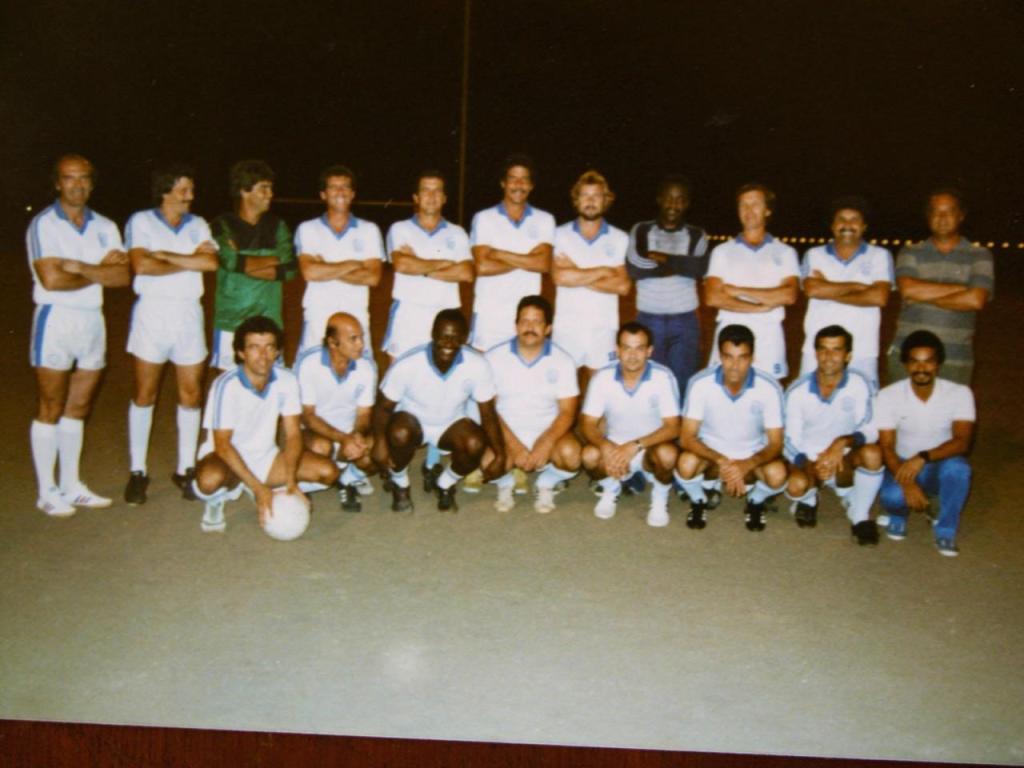
Julinho, as Parreira affectionately called him, began his activity in the CBF for the first time in January 1984 directing the Base Teams, U.17 and U.20, and the one he helped to create U.15. Julio Leal is not sure how he got there; he was Champion in Fla in 78 (U18) and 79 and 80 (U.20), in addition to Vasco in 82 (U.20), but he thinks that Mestre Parreira must have recommended him to General Erar de Vasconcelos. At that time there were already Entrepreneurs, but the hiring was mostly by referral of other Professionals and Friends.
They lived there on Rua da Alfândega for 3 (three) months, feeding the recent friendship between 2 (two) suburbanites who played amateurishly in goal and in other positions. In March 84 Parreira left the CBF to work in the UAE, ending the first cycle of professional coexistence.
The newly created U.15 with Veloso, André Cruz, William Marco Aurelio and Pintinho (one from Flamengo to whom Zico passed the boots he had won from Carlinhos), observed players for the U. 17 Team and prepared the U.20 that would try the South American and World Cup twice, as Brazil had won the titles with Jair Pereira in 83. In October, the CBF decided to bring in a Coach because the task of directing 3 teams was too big, in addition to the incompatibility of dates. Julio agreed, resigned from Infantile, the board wanted to bring Jair back, but in Juvenile. The coach then resigned, leaving him free to pursue his career (salaries at the time were very low). They thought it was a showcase. God writes right, even if at times, along crooked lines.
Behold, in the same month of October a Prince of the United Arab Emirates, Sheikh Faisal, came to Brazil to hire a Coach for the Emirates Club of Ras Al Khaimah, he had 3 names to interview recommended by Master Parreira. By luck or fate, the Sheikh decided on Julio Leal (who they called “Captain Ceezar”), and there went the Coach for his first international experience, with a salary much higher than those in Brazil. And, mainly, the opportunity to live with one of the greatest Brazilian Technicians, a “Role Model”, Carlos Alberto Gomes Parreira and his Beautiful and Dear Family.
In time: Jair Pereira was a two-time South American champion, but possibly also indicated by the Master was to be part of the Emireitist Armada that came to have 28 Professionals working simultaneously, including Coaches, Physical Trainers, Goalkeeper Trainers, Masseurs and Doctors and their Families, changing their lives and raising the level of semi-professional football in the country.
Parreira and Family, with Moraci and Nielsen stayed in Dubai, Jair went to Abu Dhabi, Danilo in Dubai, Julio and Jairo (who had already returned from the Shabab) in Ras Al Khaimah. The players of the Emirates Club studied or worked in the morning, only trained in the afternoon, so the Leal brothers started to do spearfishing and play Tennis, because many Coaches practiced it. They watched videos of John Mc Enroe and Ivan Lendl, trained for hours on the Volleyball court with the net down and on the wall in “L” (they played Ping Pong and Frescobol (paddle ball or beach tennis when they were young). This ended up being important for the fraternal relationship with Parreira, who played tennis well and sometimes did not find a partner, so he called the Brothers Courage, who would go with great pleasure to take some sports beatings. Jairo, sometimes, beat the Master… 100km to go, another 100 to return, but the coexistence and the exchange of experience was priceless. In addition, after 3 years Ivo Wothman, a great guy, left the Youth Team, Julio had completed his third season at the Green and White Club of very good people, Sheik Faisal, from the Saloomi Brothers, from the Cheerleader Abu Zaiud, and Ali Aloo Ali. Team that went up and down… It was the junction of 3 old clubs from different cities.
So, Parreira invited Julinho to direct the Base, the Olympic and assist him in the Principal. What happened! Another 3 and a half years of magnificent, salutary coexistence – discounting the time in which Parreira (Vice of the Gulf in 89, in Saudia that hosted and was in 3rd, Iraq Champion) went to work in the Saudi Arabian National Team and gave way in the Emirates to Zagallo and Chirol (later Paulo Paixão that Julinho had taken as Base Coach). This Golden Trio (Zagallo, Chirol and Paulo Paixão) reinforced by Goalkeeper Coach Miguel Banana and Masseur Getúlio qualified the small country, with 800,000 local inhabitants and about 2 million foreigners for the 90 World Cup in Germany.
Due to problems not reportable here, Zagallo and Chirol did not continue to lead the National Team, returning Parreira and His CT who went to Saudia – Julinho was the only one who did not want to go to that experience with the Master due to the perceptions he had during the Gulf competition in 89) and reports from Friends. Wonderful experience to work with the World Champions Zagallo, Chirol, Parreira, Luizão and Paixão), by the way Zagallo is the only human 4 times world champion, and Parreira who has competed in the most Cups (8). Julinho has in the 2, plus Américo Faria, Lazaroni and Coutinho his Masters in practice, while Ernesto dos Santos and Celio Cidade in theory. Exemplary on and off the field. The friendship became even stronger between Parreira and Julinho, thank God!
Time passed each one on their own path Cigano (life Gypsy), until in 1991, Baduzinho already back in Brazil – announced the desire not to renew the contract, which ended in June, on the same day January 13 that Zagallo and Chirol were fired – Américo Faria invited Julinho to direct the U.17 National Team that would compete in the South American in Paraguay, if qualified, the world championship in Italy, Termas de Montecatini. The salary, oh… it was for work!
Ernesto Paulo, runner-up in the World Cup that Portugal, with Figo, won, was promoted to Pre-Olympic Coach. Leaving U. 20 vacant. Falcão, who was a great player, but was starting his career as a coach, ended up leaving, giving the opportunity that in the conversations about names, Vice Jorge Salgado decided to form an experienced CT with Parreira and Zagallo to face the enormous pressure of 24 years without winning the world cup (it happened again now in 2026, but Brazil this time failing, going to 28 years in Europe, in 2030, always difficult to win on another continent, even more so now – Brazil won in Sweden in 58 – who knows 32… Desire to cry… Not to return, we live and participate in the golden era!
Parreira and Zagallo in the Senior Team, with a view to qualifying, a painful but important classification, with Romário performing one of the greatest performances that Baduzinho witnessed, if not the greatest, in the last and decisive game against Uruguay at Maracanã towards the 1994 World Cup they won in the USA.
Julinho and Mano (Brother) Jairo in the Juniors (U.20) for the 1992 South American, in Pablo Escobar’s Medellin, Colombia, which Brazil won undefeated and without conceding a single goal (it is not known of a similar feat of any team in South Americans), qualifying for the World Cup in Australia, in 1993, which Brazil won (three-time champion) and Adriano Gerlim was chosen the best player of the World Cup. Almost 3 years of coexistence and mutual help, exchanging experiences, more learning than teaching…
This cycle of professional relationship ended after the Junior World Championship, when Julinho was appointed Coach for the Classification aiming at the 1996 Olympics, having started the work, but with the end of the contract in June the parties stupidly did not reach an agreement, ending the Project started in 1991 with a view to the unprecedented conquest of Olympic Gold.
Jairo continued and took over the U-20 runner-up in Qatar, Zagallo and Parreira winning the Tetra in the USA in 1994, and with the departure of Parreira, Zagallo taking over the Olympic, completely changing the focus, changing the base started in 91, South American champion in 92 without conceding 1 goal, undefeated world champion in 1993, and being able to add to the winning squad players who were not young enough for the U.20, but for the Olympic Qualifier (Roberto Carlos, Rogério Ceni, Juninho, and the newly discovered Ronaldinho who went to the World Cup in 94, and once classified being able to add 3 of any age (for example: Marcos (who was part of the preparation of the U.20), Aldair, Dunga, Bebeto and Romário. Only Dida had the opportunity in the Olympic Vice-Champion.
Gypsy life that goes on… Parreira going to work in Spain and Julinho after 2 years unemployed, no longer wanted to work at the Base, taking over América de São José do Rio Preto de São Paulo. Despite the distance, Friendship and contacts continued, always very kind, fraternal.
In 2006 Parreira called Julinho again to help him in the Brazilian National Team that would compete in the World Cup in Germany, as Technical Observer (Spy) of the National Team alongside Jairo Santos, the Effective Observer – since the 1984 World Cup (with Coutinho) – in which Brazil won the 5th. Placement.
At the end of 2006, Parreira and Jairo went to prepare the South African National Team that would host the 2010 World Cup, an old dream of João Havelange, Espezim and Julio. In 2005 Julinho was taken by Espezim and a former BFA student (Zipho Ndladla) to a Course in Durban (with Havelange’s departure from FIFA the Course was the one that went to the Countries), there meeting the club leaders and local coaches, all very interested. After the success of the event, a Businessman who financed the course (Mr. Nadime Mahmood) presented a proposal from Amazulu F.C. to try to save the club from relegation (first job achieved through a Football Businessman).
Therefore, Julio returned to work in the same country as Parreira and Jairo, but in different cities.
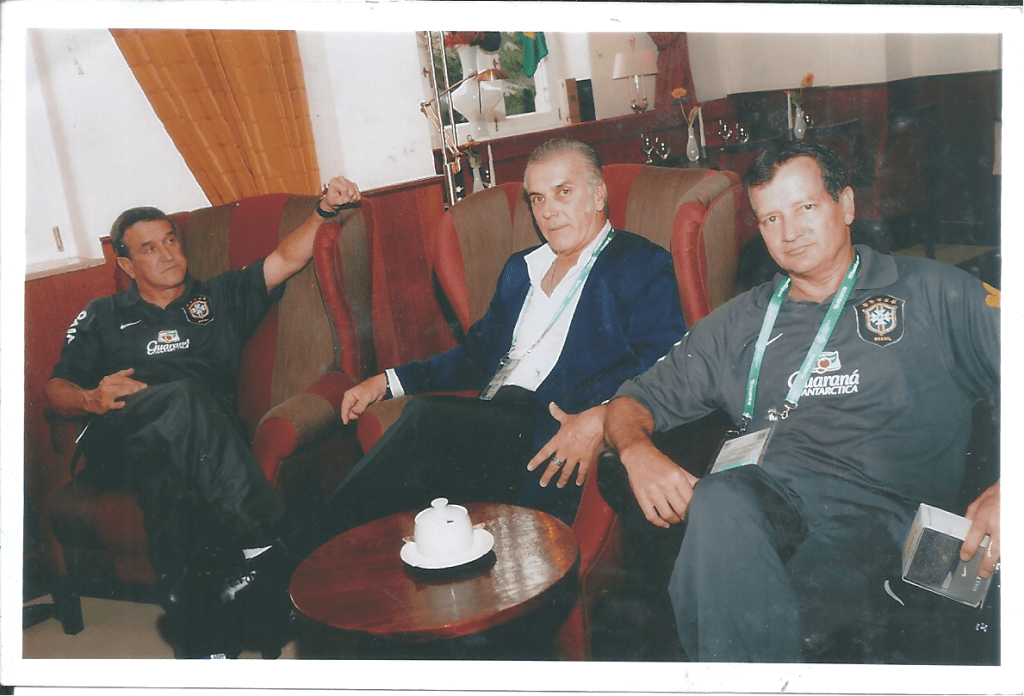
After Amazulu, a team from the City of the Zulus, Julio went to Japan to direct Yokohama F.C., returning to South Africa for Moroka Swallows, from the city where Jairo and Parreira lived, Johannesburg, further strengthening the friendship between them, so many were the meetings, dinners and barbecues that took place, opportunities for the exchange of information and knowledge. For a year Joel Santana replaced Parreira in Command, due to the illness of his wife Leila, but despite Joel’s excellent work, Parreira returned to the World Cup. Julinho was thus able to follow the work of another great Coach, winner, a great person, funny storyteller, unbeatable Joel Santana, who added a lot to the experience of the Coach in terms of Football
The last time they worked together, the occasional meetings, such as the meetings of the Trainers who worked in the Arab World, every 2 months, the constant contacts by phone and Zap, with the eternal mutual promises of any lunch.
This is how Julinho Zé Baduzinho remembers the facts, without ever wanting to denigrate, diminish or harm anyone. If it happens, apologies in advance.
Wikipedia
Carlos Alberto Parreira
 | ||
| Parreira no comando da Seleção Sul-Africana em 2010 | ||
| Informações pessoais | ||
| Nome completo | Carlos Alberto Gomes Parreira | |
| Data de nasc. | 27 de fevereiro de 1943 (82 anos) | |
| Local de nasc. | Rio de Janeiro (RJ), Brasil | |
| Nacionalidade | brasileiro | |
| Altura | 1,72 m | |
| Informações profissionais | ||
| Período em atividade | 1975–2014 (39 anos) | |
| Clube atual | aposentado | |
| Função | treinador | |
| Times/clubes que treinou | ||
| 1967–1968 1975 1978–1983 1983 1984 1985–1988 1988–1990 1990–1991 1991 1991–1994 1994–1995 1995–1996 1996 1997 1998 1999–2000 2000 2000 2001 2002 2003–2006 2007–2008 2009 2009–2010 2013–2014 | Gana Fluminense Kuwait Brasil Fluminense Emirados Árabes Unidos Arábia Saudita Emirados Árabes Unidos Bragantino Brasil Valencia Fenerbahçe São Paulo New York MetroStars Arábia Saudita Fluminense Atlético Mineiro Santos Internacional Corinthians Brasil África do Sul Fluminense África do Sul Brasil (coordenador técnico) | |
Carlos Alberto Gomes Parreira (born February 27, 1943 in Rio de Janeiro) is a former Brazilian football manager who participated in the FIFA World Cup with five different national teams (Saudi Arabia, Brazil, United Arab Emirates, Kuwait and South Africa), being also the Brazilian coach who has directed the most national teams from other countries: six in all, in ten stints. Record holder of participations in World Cups (8).
He is known worldwide and nationally for winning the 1994 World Cup, the 1980 Asian Cup, the 2004 Copa América, the 2005 Confederations Cup, the 1984 Brazilian Championship with Fluminense, and the 2002 Copa do Brasil with Corinthians, among other national and international titles won in Brazilian and foreign clubs, as well as in national teams from other countries.
In April 2020, the ge portal held an online vote to choose the best coach in Fluminense’s history, offering six options; with 32.39% of the votes, Parreira was the winner.[1]
Career
Graduated in physical education from the National School of Physical Education and Sports, in Rio de Janeiro, in 1966, he began his career as a Physical Trainer of São Cristóvão de Futebol e Regatas. In 1967 he was invited by the Ghanaian government to be the coach of the Ghanaian national team, where he remained until 1969, when he returned to Brazil to work at Vasco da Gama.[2] He was one of the physical trainers of the Brazilian National Team in the 1970 FIFA World Cup, when the National Team won the third world championship. As a coach, Parreira worked in a number of clubs throughout Brazil and around the world. His most memorable passages were at Fluminense (his favorite team), in 1984, when the club won its second title of the Brazilian Championship[3] and in 1999, when he helped in the recovery of the club with the conquest of Serie C of the Brazilian Championship. In addition to the Rio de Janeiro club, Parreira also made history at Corinthians in 2002, when he was champion of the Copa do Brasil and the last edition of the Rio-São Paulo Tournament, and at Bragantino, leading the modest club from the interior of São Paulo to the final of the 1991 Brazilian Championship, lost to São Paulo of Telê Santana.
In all, he was part of the coaching staff of seven Brazilian clubs, most of the time in Rio de Janeiro. Even with victorious passages through these teams, it was after winning the 1994 FIFA World Cup, with the Brazilian National Team, that Parreira obtained international recognition and prestige, which earned him several invitations and job proposals abroad, opening doors in a market until then very little explored. And that’s when his career took off. He coached Valencia (Spain), Fenerbahçe (Turkey) and New York Red Bulls in the then newly created Major League Soccer.
But the biggest success was with national teams. He won several Asian tournaments with the Kuwaiti and Saudi Arabian national teams, as well as the 2004 Copa América and the 1994 World Cup with the Brazilian national team. He also achieved the remarkable feat of qualifying five different national teams and competing in six World Cups: Kuwait in 1982, United Arab Emirates in 1990, Brazil in 1994 and 2006, Saudi Arabia in 1998 and South Africa in 2010, thus equaling the previous record – as Bora Milutinović took five countries to the competition.[4]
Other activities
According to his admirers, Parreira (graduated in Physical Education) is a scholar of football, having managed to unite theory and practice. But, in addition to football, he has a great interest in art. More specifically for painting, being a big fan of the impressionist school and photography. As he himself says:
| “ | Like any art, painting in my life is something innate. I have always liked drawing and photographs as well.[34] | ” |
Parreira also wrote the book “Forming Winning Teams”, from Editora Best Seller, in 2006.
P.P.S – Exxxtoriexxx because “s” in Portuguese spoken in Rio sounds “X”ou “ch” like cheese”.
By Jucele
Julio Leal
July 12, 2026

 Julio Cesar Leal
