POETRY
Poetry, or lyrical text, is one of the seven traditional arts, by which human language is used for aesthetic or critical purposes, that is, it portrays something in which anything can happen depending on the imagination of the author as well as that of the reader. Poetry, according to the common way of speaking, means two things. Art, which teaches it, is the work done with art; art is poetry, the work is a poem, the poet is the craftsman.[1] The meaning of the poetic message can also be, although it is the aesthetic form that defines a text as poetic. Poetry comprises metaphysical aspects and the possibility of these elements transcending the factual world. This is the terrain that truly belongs to the poet.[2]
In a broader context, poetry also appears to be identified with art itself, which is justified since any art is also a form of language (although not necessarily verbal). It is the art of poetizing that allows us to express what is inside us. It can also be seen as the way a person expresses himself using linguistic and aesthetic resources.
POEM
Poem is a textual genre divided into stanzas and verses. Each stanza is made up of verses (not having an exact number). Introduced by the meaning of sentences – and more rarely in conversation – in which poetry, a form of aesthetic expression through language, usually manifests itself. In addition to the verses, the stanzas, the rhyme and the meter are not necessarily part of the structure of the poem.
Depending on the arrangement of the verses and other structural elements, poems can be given specific classifications or names (or be considered their own literary genres) such asPick up,haikupoem-collage,sonnetpoem-dramaticpoem-Figured,epicand so on.
Strongly related to music, beauty and art, the poem has its historical roots in the accompanying lyrics of musical pieces. Until the Middle Ages, poems were sung. Only then was the text separated from the musical accompaniment. As in music, rhythm is of great importance.
A poem is also part of a soirée (which holds meetings for private homes during the night making arts, songs, poems, poetry for someone else).
There is a difference between poem, a textual genre in verse in which most of the time there is poetry, and poetry, which are phrases that move, touch the sensibility and suggest emotions through a language.
VERSE
masculine noun
- 1.
VERSIFICATION
each of the lines of a poem, characterized by having a certain melodic line or sound effects, in addition to presenting unity of meaning.
- 2.
BY EXTENSION
literary composition in which sentences are versified; poem, poetry.
“published a book of verses”
RHYME
feminine noun
- 1.
VERSIFICATION
reiteration of the same or similar sounds, in one or more syllables, ger. accentuated, which occur at determined and recognizable intervals.
-
- 2.
BY EXTENSION
uniformity of sounds in the termination of two or more words.
PROSE
feminine noun
- 1.
natural expression of written or spoken language, without intentional metrification and not subject to regular rhythms.
- 2.
BY EXTENSION
that which is material, everyday, without poetry.
“The f. of reality”
Author unknown
By Jucele
Julio Leal
UNDER-20 WORLD CHAMPION IN AUSTRALIA IN 1993
November 4th, 2024
SÔNIA
SÕNIA BEAUTIFUL NAME,
NAME OF A FLOWER,
BLACK ROSE IS ITS NAME
NAME OF MY LOVE
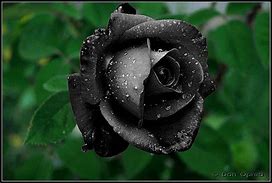
SÔNIA
SÕNIA NOME BONITO,
NOME DE UMA FLOR,
ROSA NEGRA É SEU NOME
NOME DO MEU AMOR


 Julio Cesar Leal
Merci!
CurtirCurtir