Exxxtória 1: Verídica – Baduzinho at Imperial Basquete Clube
He has sports DNA on his maternal grandfather’s side, Badu (Portuguese, butcher, soccer player at Vasco, América and Bonsucesso, and Soccer Referee, he played the first game at Maracanã, today Mario Filho) and, on his father’s side, Seo Julio, the 4th. of the name, basketball player at Fluminense in the golden age of this sport, world champion in 1959 (Cotton, Amauri, Rosa Branca, Wlamir) and goalkeeper in the Army, in the Hall and in the Field, where he even played in the Army Team replacing the great Castilho when he could not act.
Born in Itajubá, Minas Gerais, when his parents lived in Bicas do Meio, at the age of one he came to Rio, first Vaz Lobo and at the age of 2 to Madureira, Carolina Machado 516, the Avenida do Bicho (Seo Natal) who lived there for many years with the Family. Nil and Nezinho played with everyone.
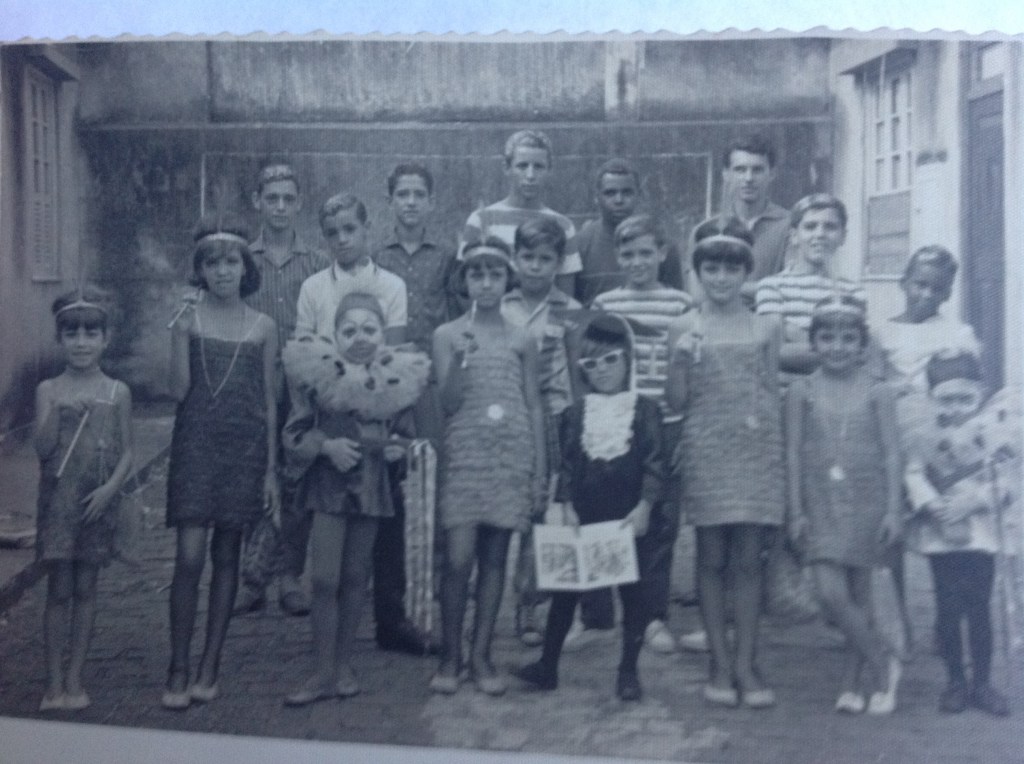
‘Village with 23 houses, eleven on one side, twelve on the other, with no exit, a wall separated from the building that faced Dagmar da Fonseca. Happy childhood, with all sorts of games (ball, kite, pikes, marbles, spinning top and many others of the time that helped in the formation of character).
Two narrow sidewalks, one on each side, and a cobblestone street that ate the plugs of their big toes. A marker marked in paint on the back wall. Everyone played, almost all day, except for school hours.
There was no such thing as bad or good, everyone played, including in goal so as not to derail a game.
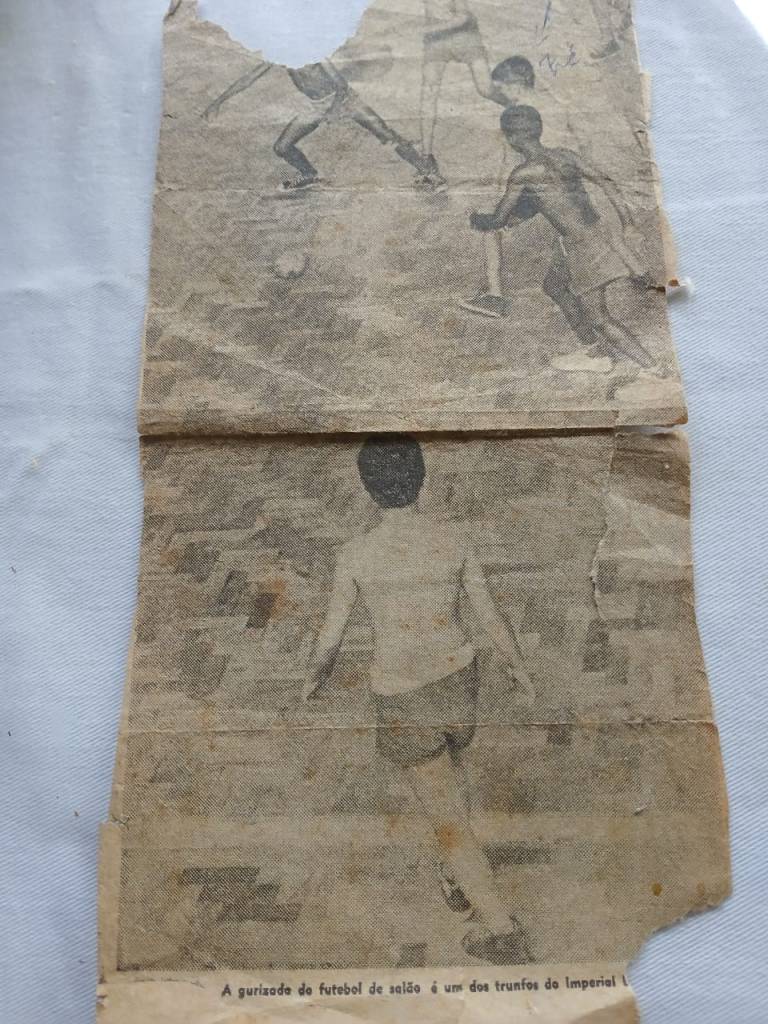
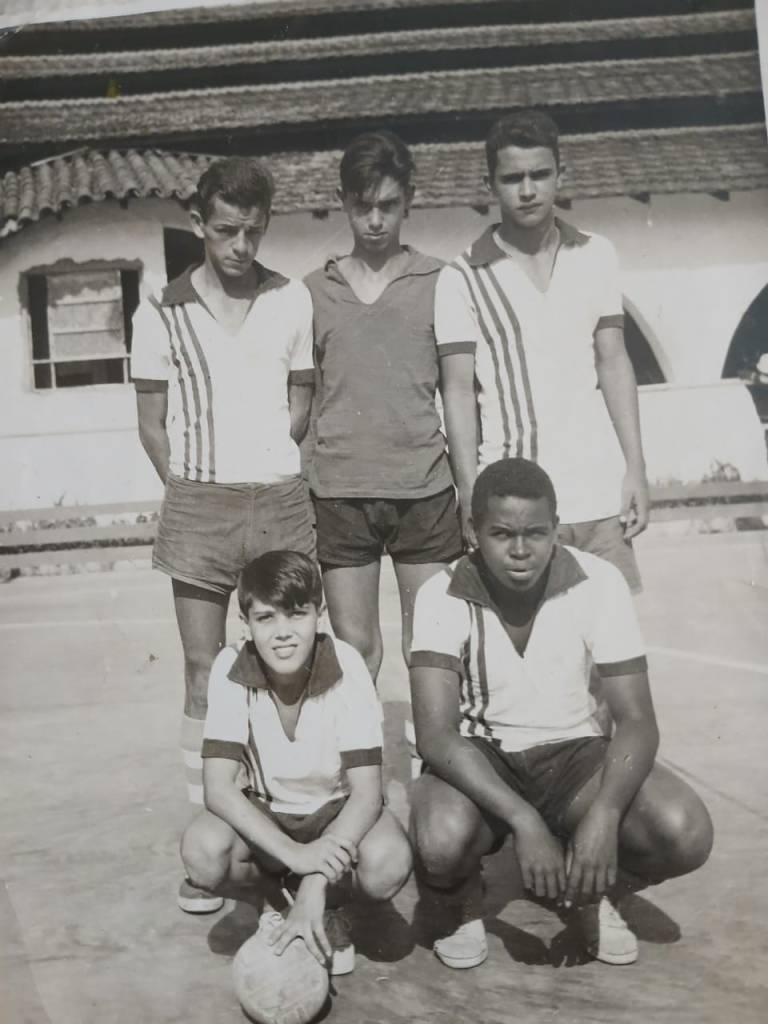
Around the age of 10, Lelé, a little older and the best kite maker (along with Mano Jairo), who lived in another nearby village (there were about 3 or 4 in a row) – simple and tasty houses – called Baduzinho to watch a tournament at Imperial, the Imperial Basketball Club that later joining with Tênis Clube and Atlético Clube formed the current Esporte Clube. He had heard about the tournament and knew that Badu liked to play ball. When they got there, they stayed in the small stands, many players in uniform downstairs, several teams, competition about to start. One of the organizers called Lelé by name, he went down and when he came back he asked Baduzinho if he wanted to play, the goalkeeper of one of the teams was missing, he knew he liked to play and to grab. He accepted the invitation, went downstairs, uniformed, had never done so, a big and warm goalkeeper’s shirt, no gloves, received some guidelines from the Rules of Indoor Soccer, later Futsal, and went to the game.
Teammates, knowing that the goalkeeper who looked like a button and had never played, tried harder and didn’t let him shoot… we won the first, rest, eye on the other games, coach and Lelé giving some tips, came the second match, a better team, some defenses, greetings, they went to the third phase, Imperial had tradition, along with Vila Isabel the best of that time, forming more than half of the Carioca and Brazilian National Team (time of Genius Serginho and Family at Vila) made the players at home. It narrowed and the good ones starting to stand out, some would later reach the first team and the National Team, such as Apinho (Silvio), son of Seo Altamiro. And the geek’s goalkeeper there, throwing himself, bravely saving difficult balls, no style… The important thing was not to concede a goal. The decision came, the 2 best teams in the tournament, Baduzinho’s team could already attack feeling confident in the young goalkeeper. Champions. Celebration, hugs, congratulations and thanks. Suddenly, Seo Altamiro, the Coach of that Category at the Club, very experienced and Football Lover, who I later heard worked in a Shoe Store or owned it, I don’t remember well. What is your name? He asked. Julio, replied Baduzinho. Why do they call him Baduzinho?
He answered because his maternal grandfather, who had a butcher shop in Madureira at the time, near the first village, in front of the Madureira Bridge, had the nickname Badu when he played football. Seo Altamiro replied that everyone knew Badu and the Brothers (Alberto, Artur and Tonico), and that the goalkeeper of the first team was also Badu, their nephew, Miguel. Your Cousin, then!
He started to really train, learn the technique, improve his style and, after training, he stayed to watch the training sessions of the First Team, where Miguel played, who sometimes called him to train the technical and tactical part as well. I watched the games of all categories and saw an incredible generation play, one of them, Serginho do Vila, years later when he wrote a book, included it in Gênios que Vi. Once, in Madura, Imperial won 3 x 0 and Serginho on the bench, I believe he had the flu, at the very end he came in and even though he was sick it made it rain turning to 4 to 3. I never forgot this and others.
A Fla goalkeeper, without a glove, with a ring, was left hanging by her on one of the hooks of the crossbar that held the net. Things of the position, he thought, better not to wear a ring, ring and others.
They found out that he played on the line too, there was no “goalkeeper line” and the restrictive rules. Horsehair ball, he needed to have courage. He had.
He played friendlies and tournaments for Imperial until 1963 when the family moved to Ilha do Governador. That’s another exxxstory!
P.S. Imperial Basquete Club and Vila Isabel were big at that time.
P.S. 2 – Xxxtories because in Rio de Janeiro people speaks s with the saound o long x. Pure charm.
By Jucele
Julio Leal
Under-20 Soccer World Champion Coach in Australia in 1993
February, the 6th, 2026

 Julio Cesar Leal